Sakthivel Vilvapathy
Ahmadebad, India
Vilvapathy Sakthivel is a professor at the National Institute of Design in Ahmedabad since 2006.This interview took place at his N.I.D. Office in the Textile Department. Sakthivel, according to his own words, is “a Weaver, Dyer, Teacher and Hand-spinner, with an eclectic work experience in research, training and teaching at different levels and layers, curious about understanding what makes things work. I try to understand what value is. I am responsible, but not so well well-organized. A graduate in Handloom weaving and have a second degree in Business Administration. Trained under expert dyer, worked as an instructor in a handloom school, worked in an export house, trained as Faculty at National Institute of Design, Ahmedabad, India’s premier design Institute in textile design, been a research associate, worked in areas such as natural fibres, handloom weaving before taking up full time teaching here now at NID. I have taught courses such as Fibre and Yarn, Natural dyeing, Dyeing, Weaving, Craft design, and over the time has worked on various professional projects related to handloom weaving, Natural dyes and craft practice in India. My current role at National Institute of Design is to connect and help others connect these areas”.
( Media )
SAKTHIVEL VILVAPATHY
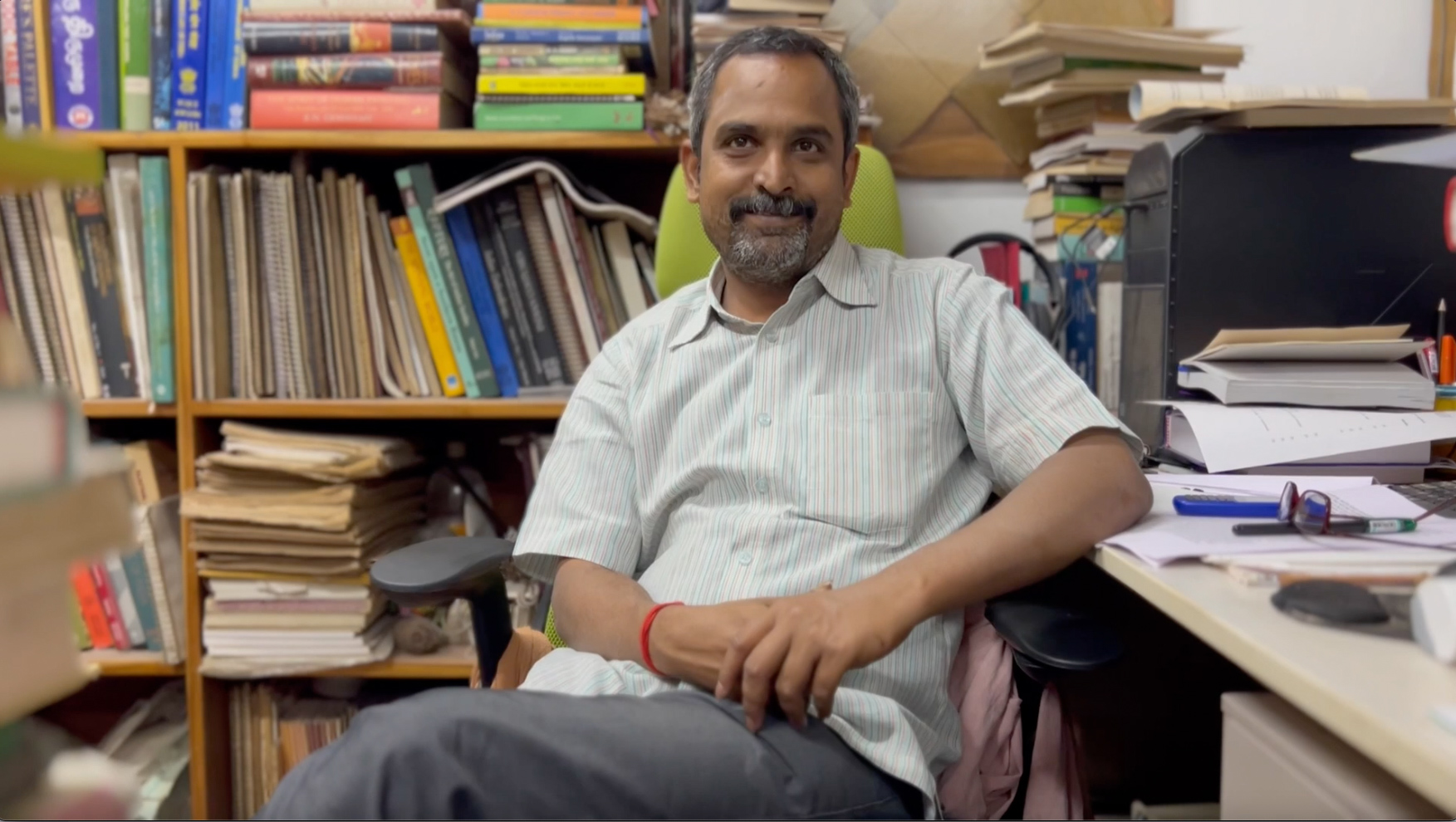
Dye Harda Essential Minerals
Prof. Sakthivel presents himself; he then talks about the relationship between vegetable and mineral dyes; the role of harda (Terminalia chebula) in a dye, acting as a bridging agent between natural fibers, vegetable dyes and essential minerals, known as mordents; the parallel between natural dyeing practices in India and the Ayurveda traditional medicine.
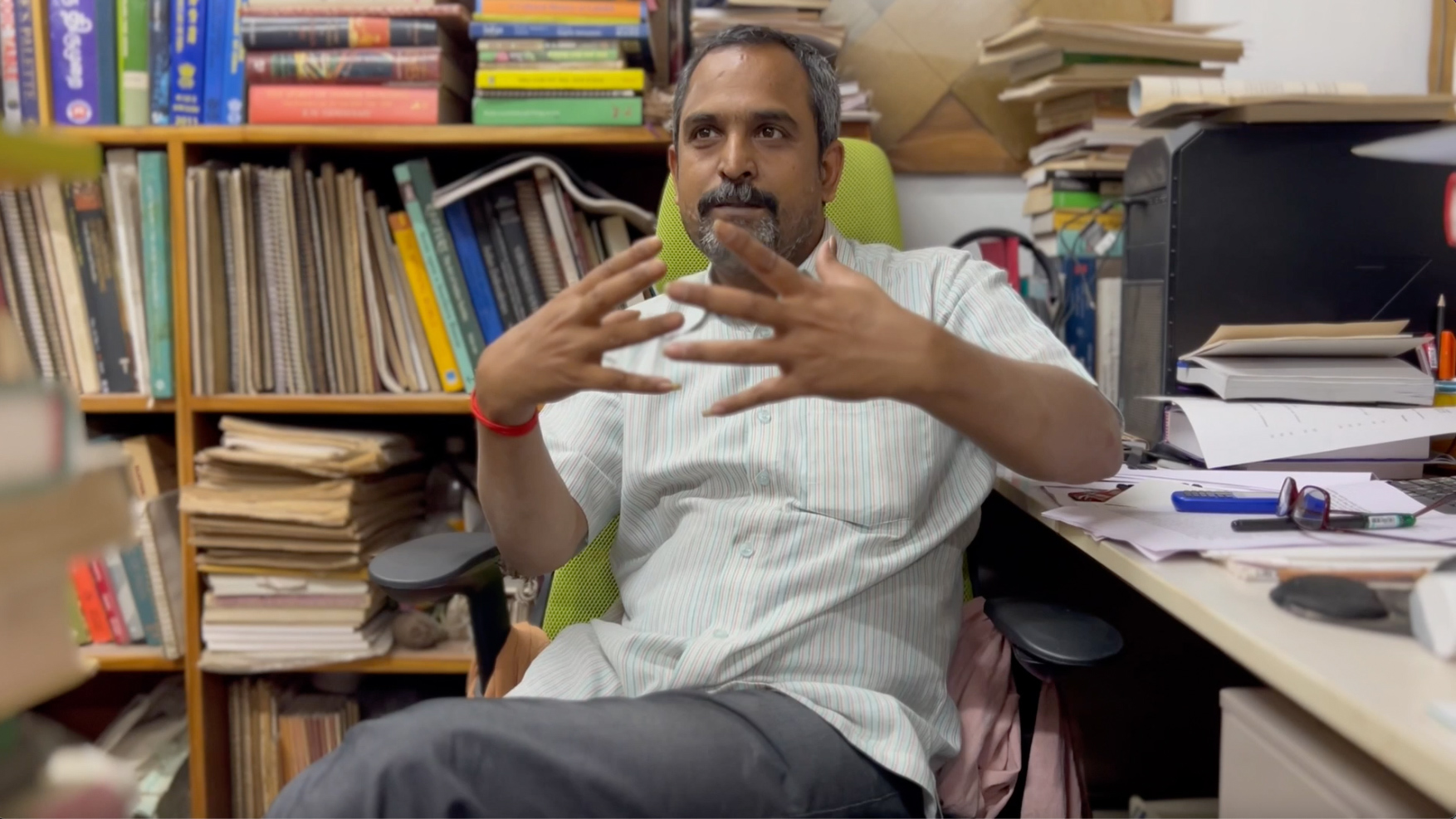
Indigo
Prof. Sakthivel talks about the cycle of transformation from the Indigofera tinctoria species to an indigo cake and then to an indigo vat and the other way around; the problem around the insolubility of indigo and how to make it soluble; the role of the human body assessing the quality of the dye.
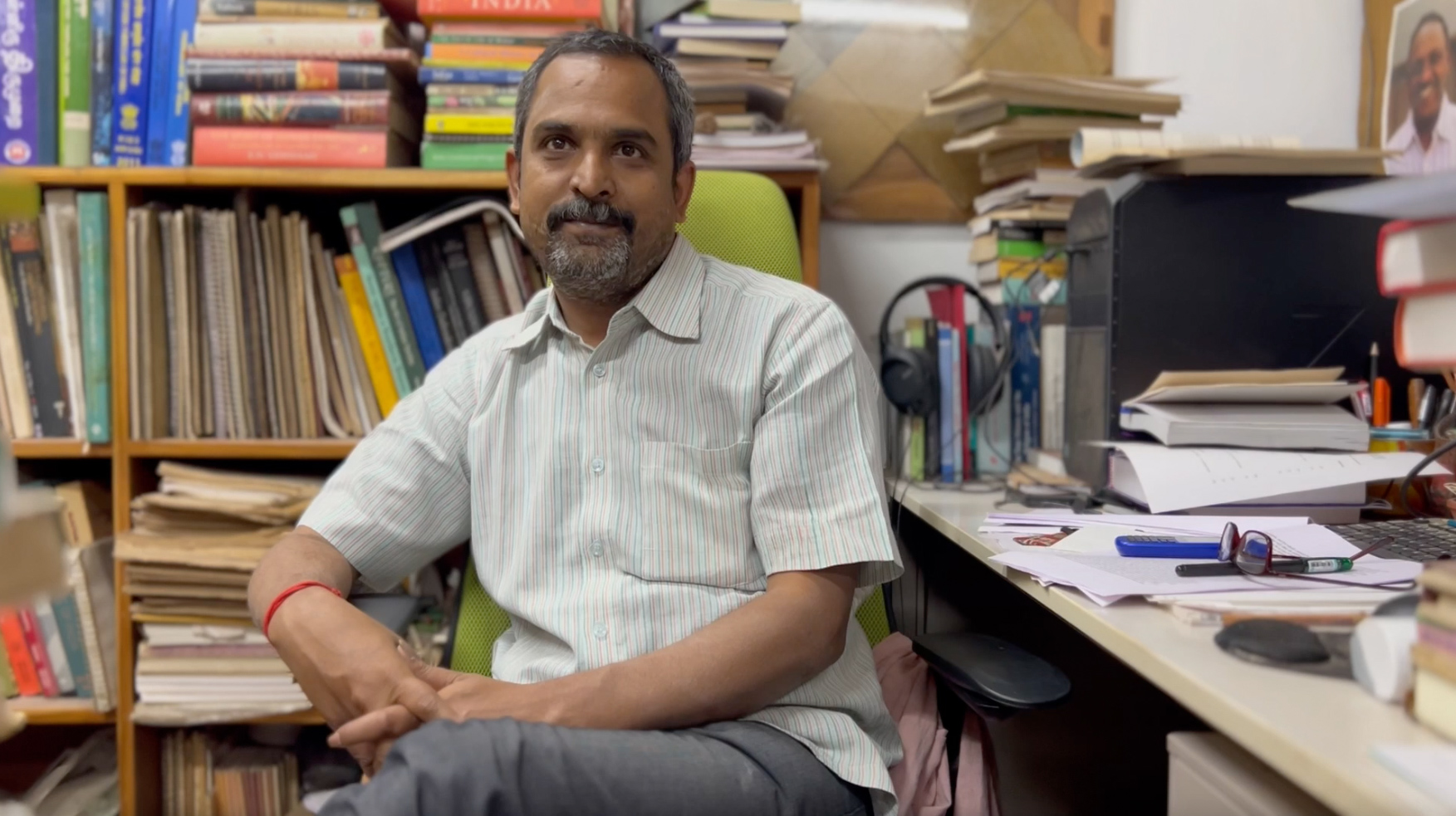
Science VS Practice
I asked Prof. Sakthivel about the scientific approach on natural dyes and the point of view of a practitioner dyer as a way to problematize the relationship between the scientific and the empirical, the academic and the artisan’s points of view. He told me about the conversation he had with Jalapa, a well-known indigo dyer and the difference between belief based dyeing and scientific based dyeing, as well as the problem of translation between both points of view.
Three Sisters
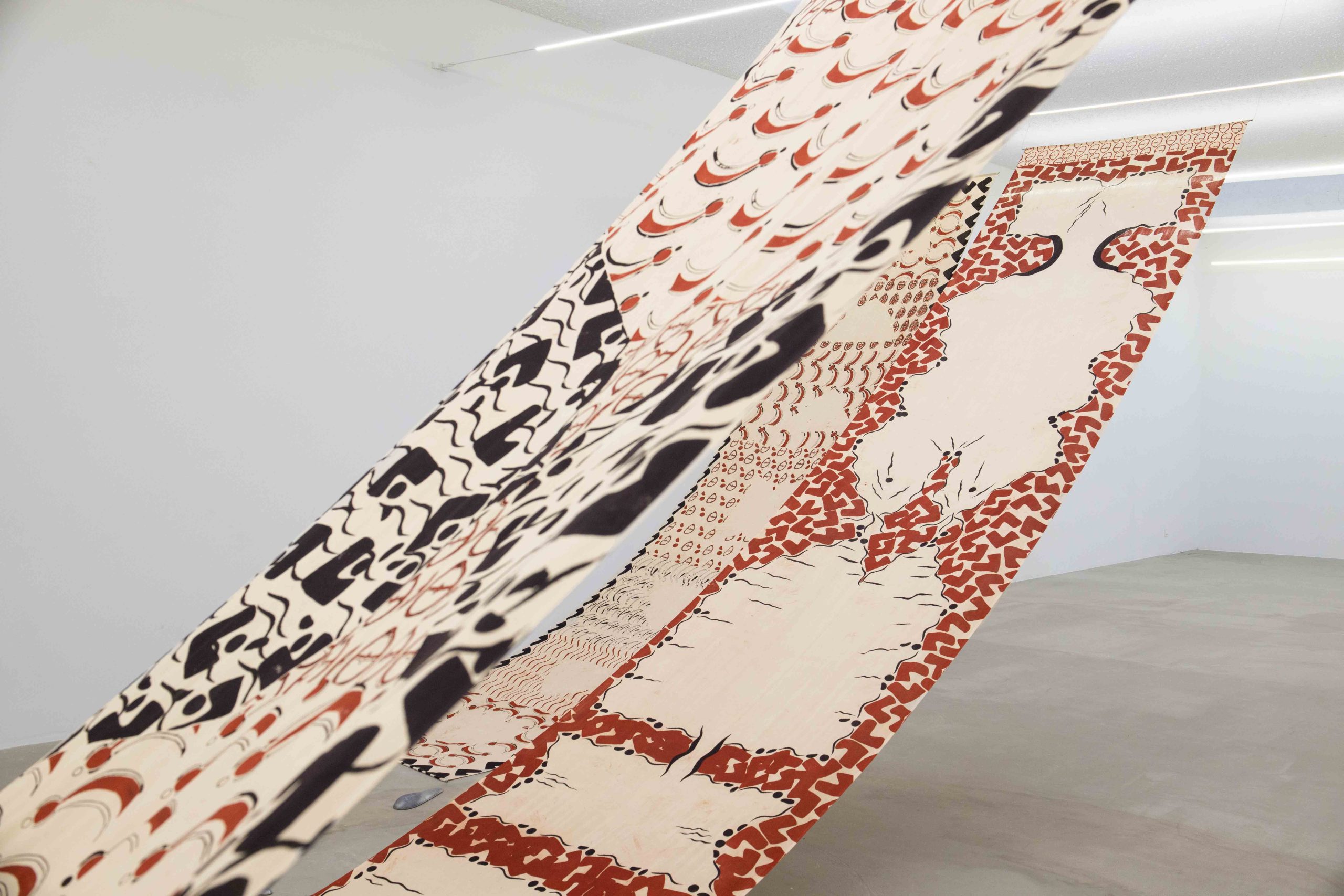
Sismógrafo, O’Porto
A Multiplicação dos Fingidos
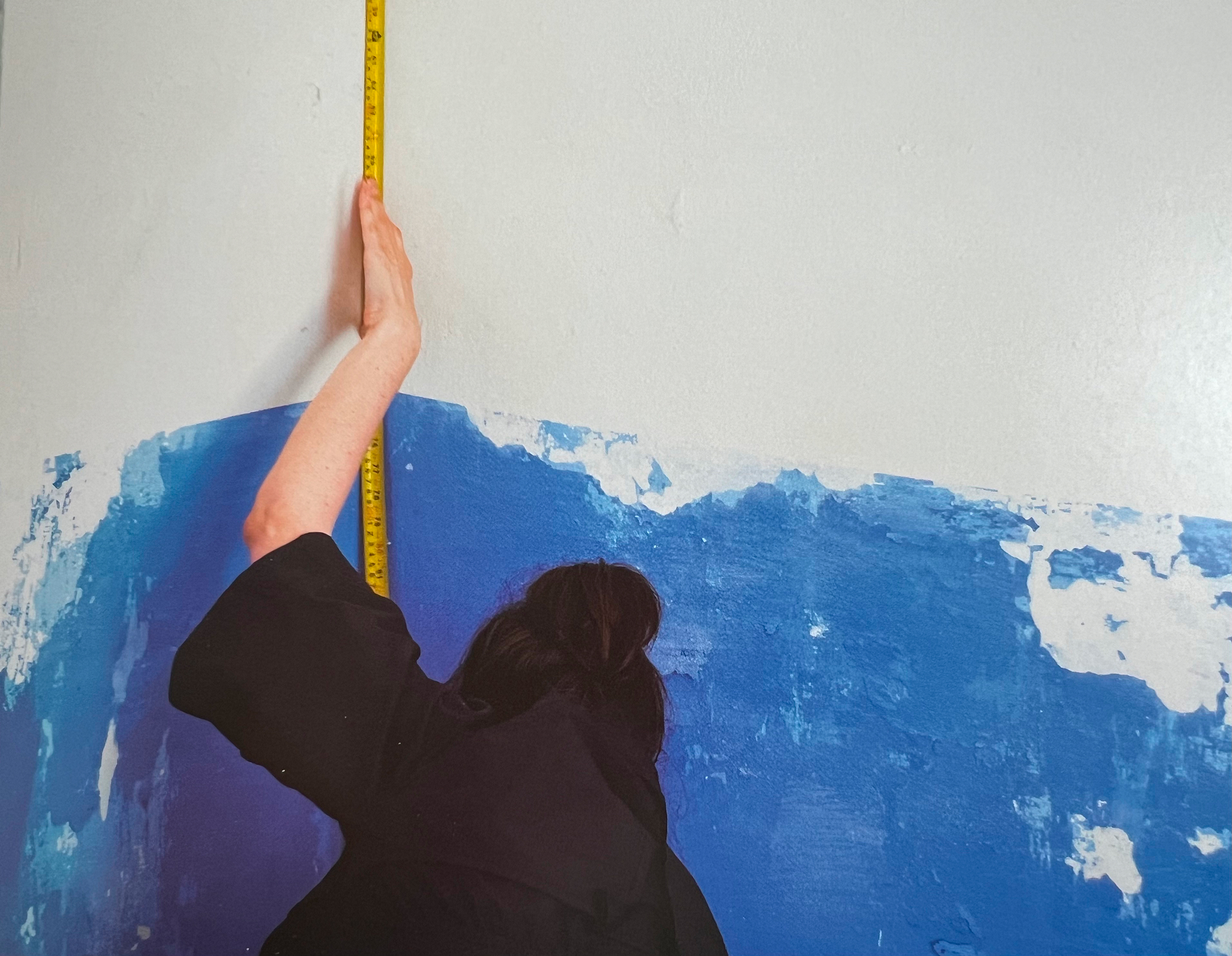
Land Art Cascais
The Sequel
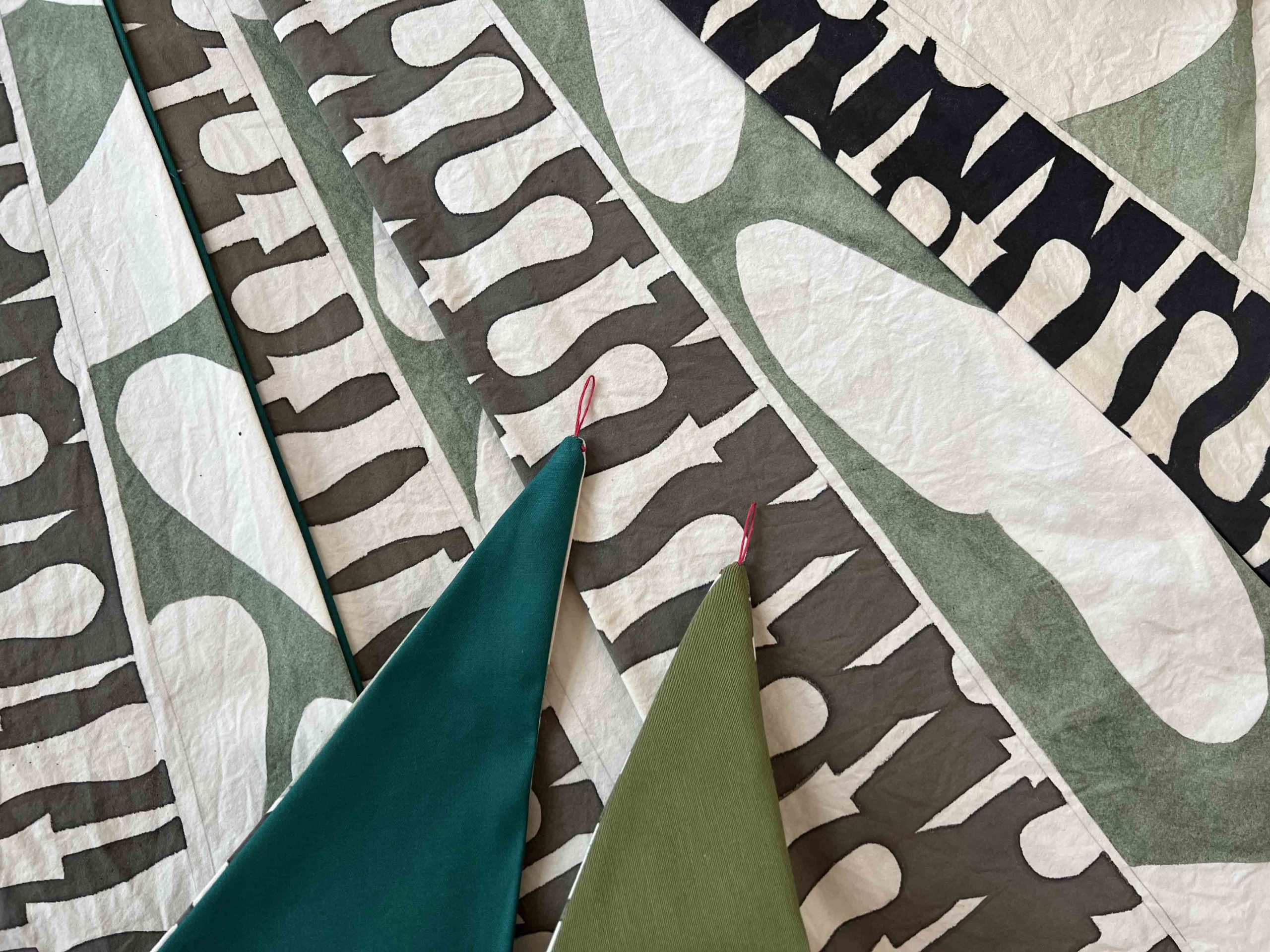
MNAC, Lisbon
Selva
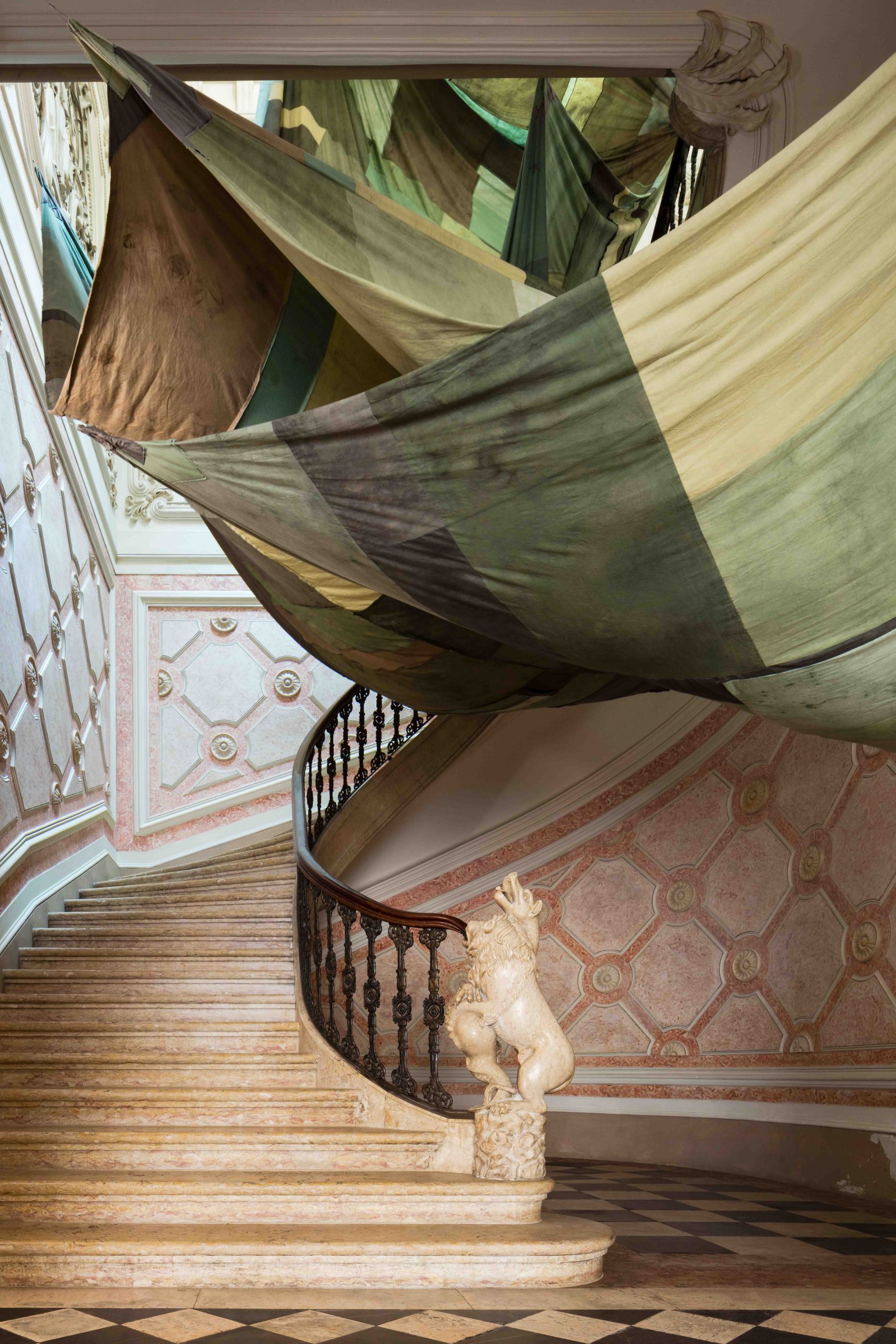
Brotéria, Lisbon
Ninguém. Só eu
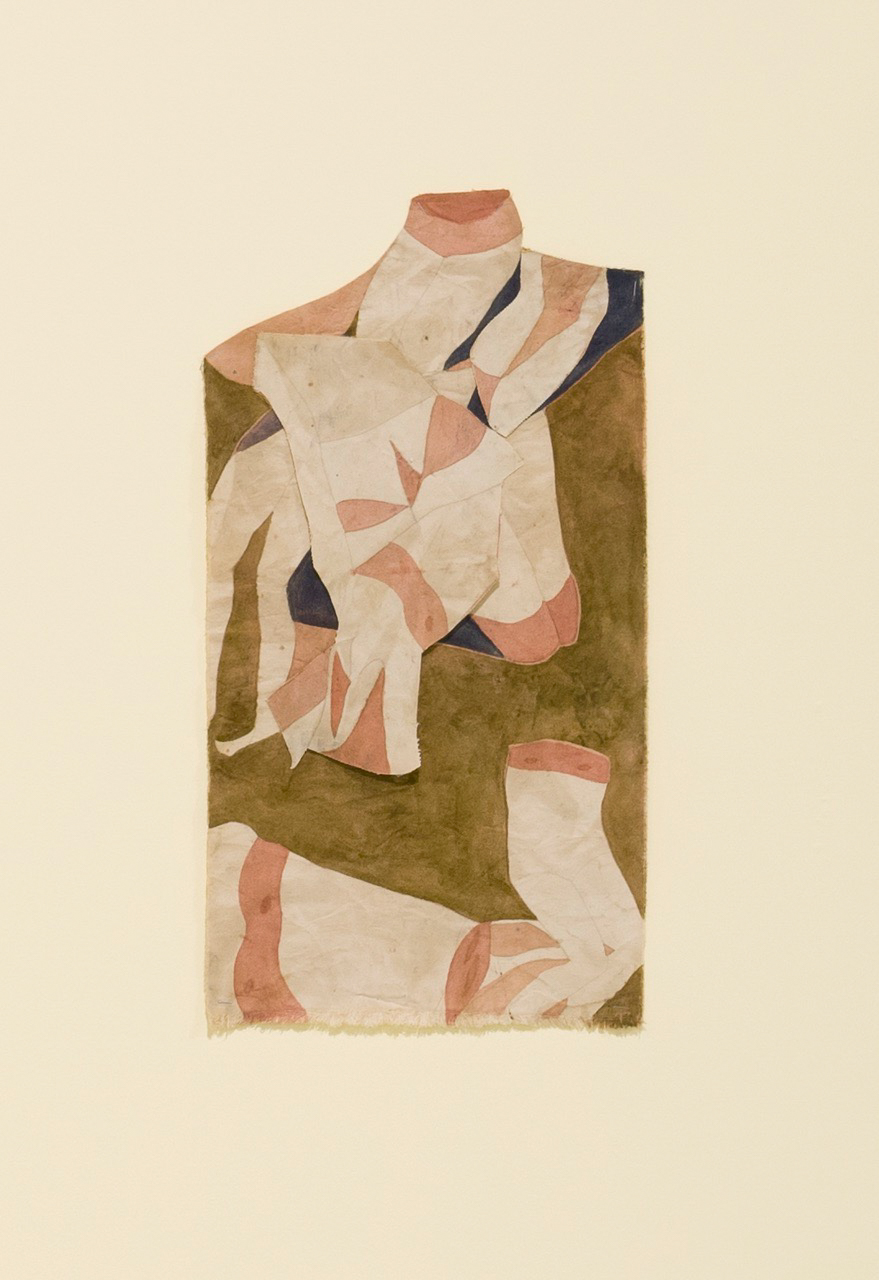
Centro de Arte Oliva, São João da Madeira
Plano de Contingência
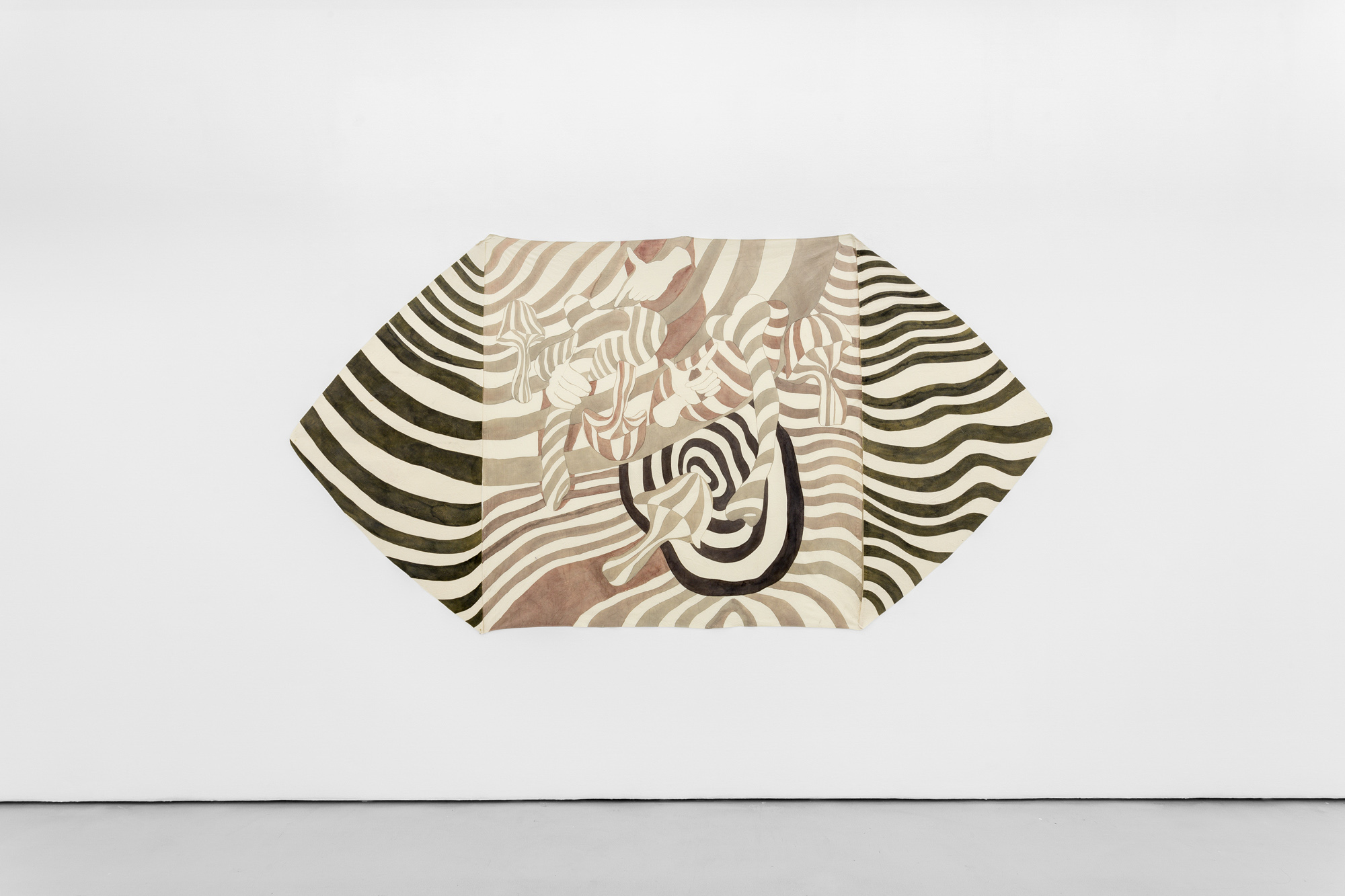
Cristina Guerra, Lisbon
Às Nonas, Midas nos Dedos Medram e Mondam
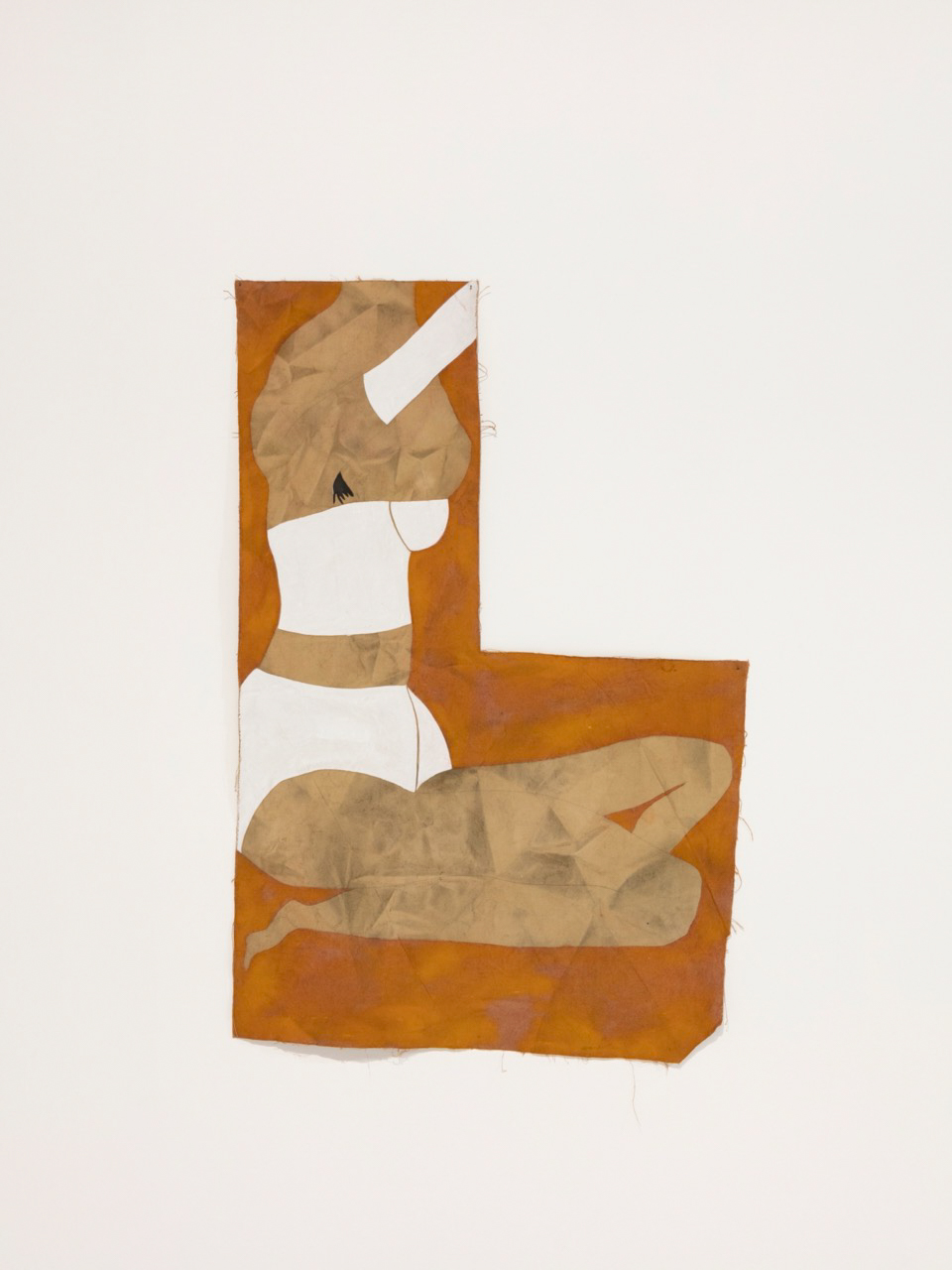
GALERIA DE ARTE DA CÂMARA MUNICIPAL DE ALMADA
Piquenique
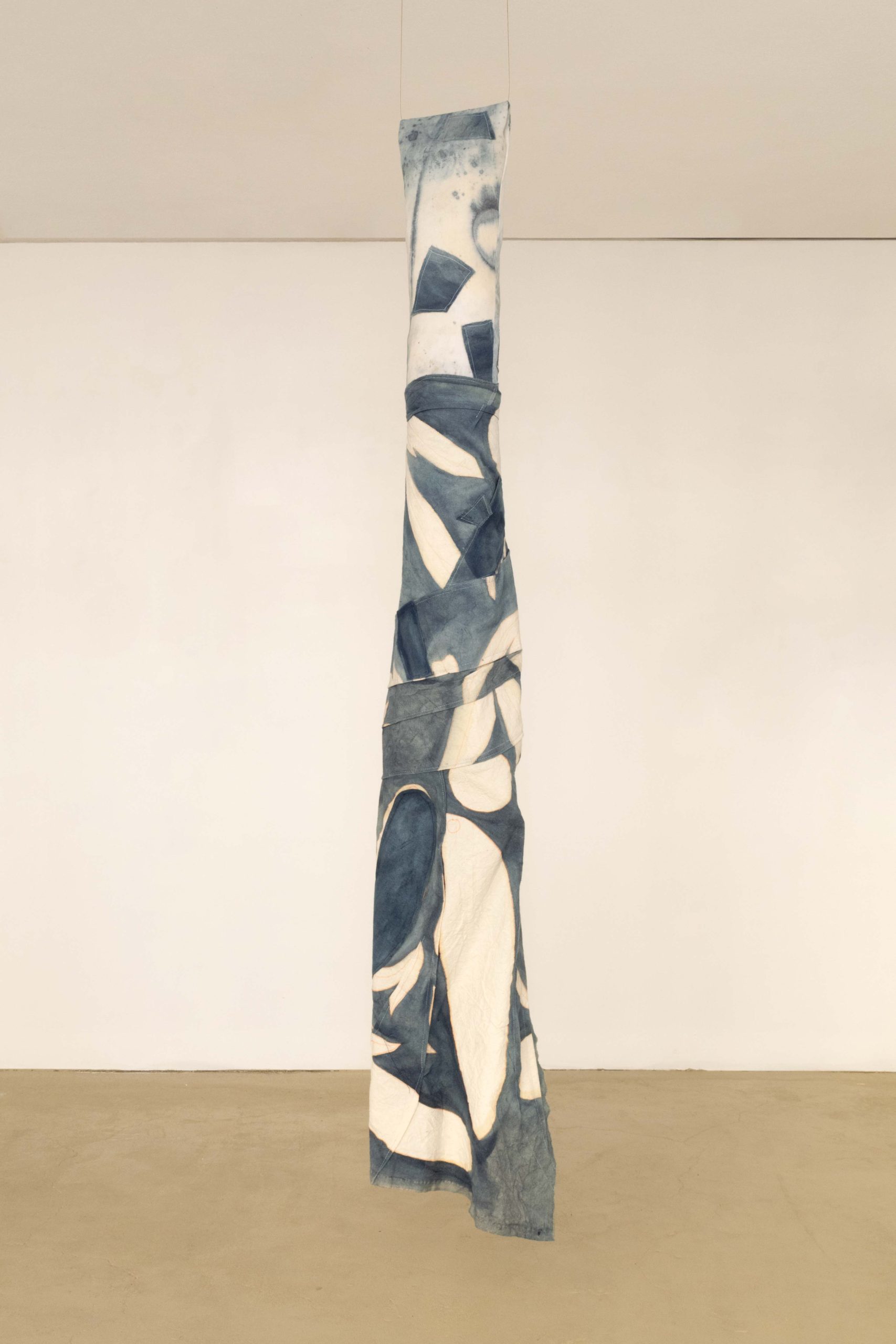
Verão, a project space run by Antonia Gaeta, Lisbon
Navigator
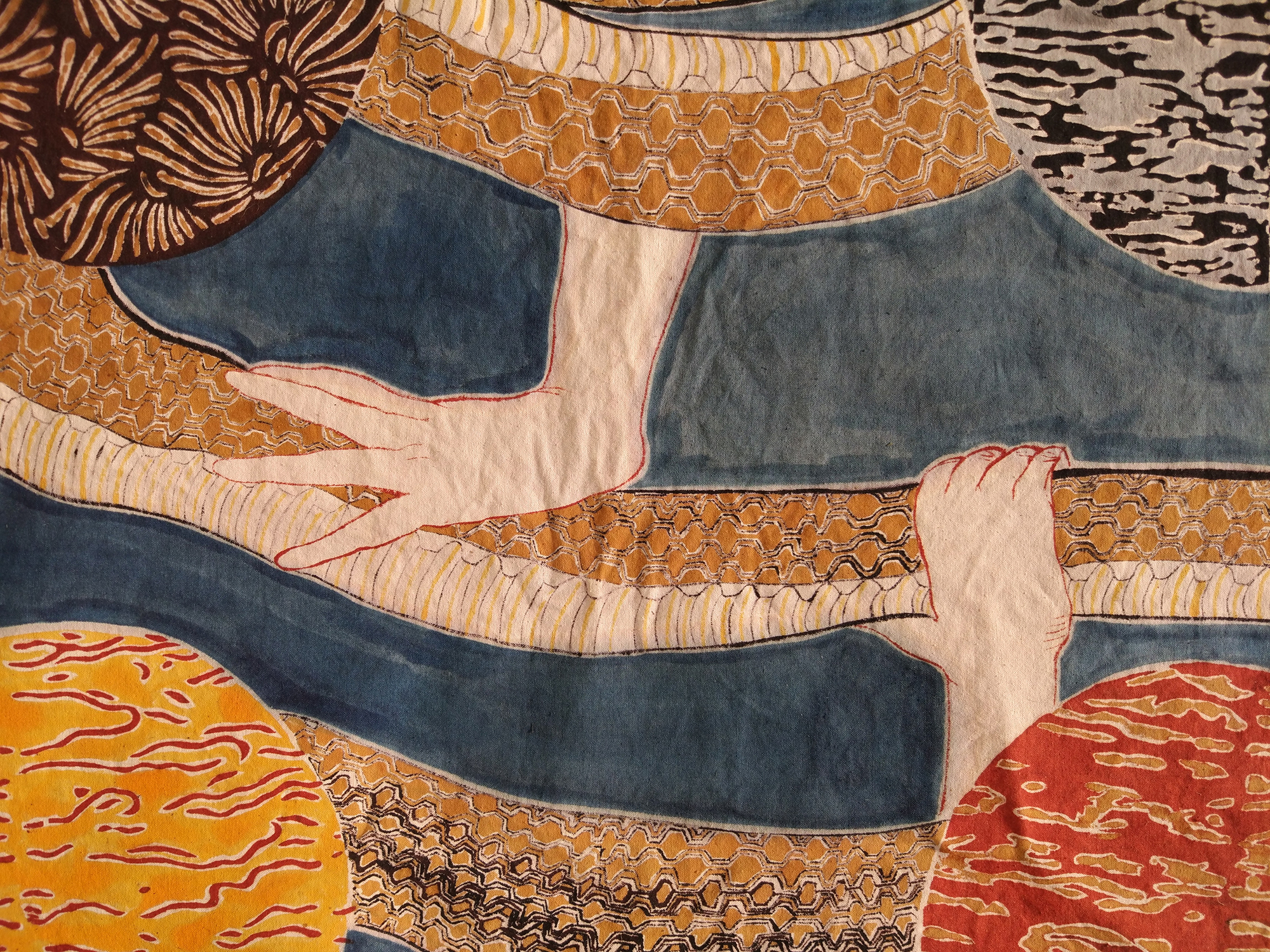
Chiado8, Lisbon